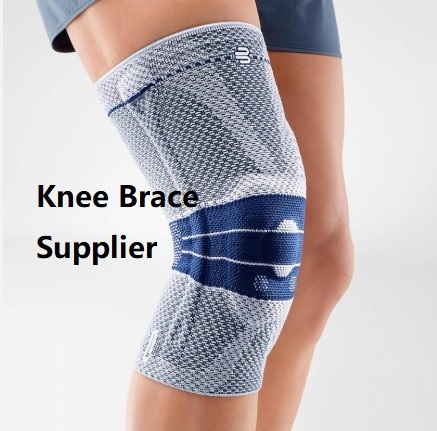
Knee Brace Supplier searches are becoming more relevant as athletes pay closer attention to support products that fit different training routines and movement demands. Running, strength training, court sports, cycling, hiking, and recreational activities can place different requirements on the knee area. Athletes and sports businesses therefore have reasons to look beyond appearance and focus on fit, movement, material comfort, adjustment, product consistency, and supplier communication. For commercial buyers, the supplier behind the product can influence how easily a support range is managed from initial samples through repeat orders.
Athletes Want Products That Match Their Activities
No two training routines are exactly the same.
A runner may care about lightweight construction and freedom of movement, while someone involved in strength training may pay greater attention to stability during loaded exercises. Court sports can involve repeated jumping, landing, turning, and quick changes of direction.
This variety makes product selection more application-oriented.
Athletes can consider what movements they perform most frequently before deciding which type of support fits their routine. Sports retailers face a similar challenge because their customers may have very different activity preferences.
A supplier with several product options can make it easier for buyers to build a range around different use cases.
Fit Remains A Major Purchasing Consideration
A support product needs to stay appropriately positioned during movement.
If the fit is too loose, users may find the product shifts during activity. If it is too tight, it may become uncomfortable during extended wear.
For this reason, sizing information should be clear and easy to follow.
Commercial buyers can also request samples before placing larger orders. Testing samples can help them evaluate sizing, material feel, flexibility, fastening, and general wearing experience.
This process gives sports brands a practical reference before introducing a product to their own customers.
Movement Freedom Matters During Training
Athletes rarely remain in one position for an entire session.
Running involves repetitive motion. Squatting involves bending. Court sports require lateral movement. Outdoor activities can combine walking, climbing, stepping, and uneven terrain.
A support product therefore needs to work with the users normal movement pattern.
Buyers should consider whether the construction provides the intended support without becoming unnecessarily restrictive.
For sports retailers, explaining these differences can also help customers choose products according to their actual activities rather than simply selecting based on appearance.
Material Comfort Can Affect Regular Use
Comfort becomes increasingly relevant when a product is worn during longer training sessions.
Fabric feel, ventilation, moisture management, flexibility, stitching, and contact with the skin can all influence the experience.
Athletes who train frequently may pay particular attention to whether a product remains comfortable throughout their normal routine.
Sports buyers can evaluate these characteristics through samples and practical testing.
A product that feels suitable in a short fitting session may provide a different experience during extended activity, so real-use feedback can be useful when developing a sports product range.
Stable Product Quality Helps Sports Businesses
Athletes are not the only people searching for dependable support products.
Sports retailers, distributors, clubs, training centers, and private-label businesses also need products that remain consistent between orders.
When product details change unexpectedly, businesses may need to adjust listings, packaging, inventory records, or customer communication.
Clear product references can help reduce this type of uncertainty.
Buyers can confirm the approved version, materials, sizes, packaging, and other relevant details before production begins. Keeping these records can also make future purchasing discussions easier.
Size Selection Can Affect Customer Experience
Sports customers come in different body types and have different preferences.
A limited size range may not fit every target market, while too many poorly planned variations can make inventory management difficult.
Commercial buyers should therefore examine their actual customer base before deciding which sizes to stock.
Sales data can provide useful information after the initial launch. Businesses can then adjust future purchasing quantities according to demand rather than automatically ordering the same combination every time.
This approach connects product selection with actual market behavior.
Different Sports Require Different Considerations
Running and jogging can involve repeated forward movement.
Strength training may involve squatting, lifting, and controlled bending.
Basketball, tennis, badminton, and similar activities can introduce frequent directional changes and jumping.
Hiking and outdoor recreation may involve longer periods of movement across different surfaces.
These differences do not mean every athlete needs a specialized product. Instead, they show why buyers should consider the intended activity before selecting a support design.
A clear application focus can also make product descriptions easier for retailers and customers to understand.
Athletes Also Care About Ease Of Adjustment
A support product may need adjustment before or during activity.
An easy-to-manage fastening system can be useful when users change clothing, activity intensity, or wearing position.
Buyers should examine how straps, closures, elastic sections, or other adjustment components operate.
For sports businesses, ease of use can also influence customer feedback because a product that is difficult to position may become less convenient in daily routines.
Simple operation does not replace proper sizing, but it can contribute to a more practical user experience.
Suppliers Need To Communicate Clearly
A sports product order can involve more than quantity and price.
Buyers may need to discuss samples, sizing, materials, colors, labels, packaging, inspection, shipping, and customization.
Clear communication becomes particularly important when an order includes multiple variations.
Before production begins, buyers should confirm important details in writing.
This creates a common reference for both sides and can help reduce misunderstandings when products move from product development into manufacturing.
Samples Help Brands Test Market Fit
Sports brands often need to evaluate a product before committing to larger quantities.
A sample can be tested by staff, athletes, coaches, or selected customers.
Feedback may cover comfort, movement, fit, appearance, fastening, and general usability.
This information can then support decisions about which versions should enter the commercial range.
For brands developing private-label products, sample approval can also connect the physical product with packaging and branding decisions.
Consistent Supply Supports Ongoing Sales
A product launch is only part of a sports brands purchasing cycle.
If customer demand continues, the business may need additional stock. This makes supplier communication and production planning important beyond the initial order.
Buyers should ask how repeat orders are handled and whether previous product information can be referenced.
Maintaining records of approved samples, product versions, packaging, and order quantities can make replenishment discussions more organized.
This is particularly useful for businesses that build long-term product lines rather than relying on occasional purchases.
Customization Can Help Different Markets
Different markets may have different presentation requirements.
A sports distributor may need standard packaging, while a private-label brand could require customized labels, artwork, or product presentation.
Before customized production starts, buyers should confirm all relevant details.
Artwork approval, packaging information, product labeling, quantities, and shipping marks should be discussed clearly.
A structured process can help ensure that the finished shipment matches the purchasing plan.
Product Information Should Be Easy To Communicate
Retail staff need to explain products to customers.
If product information is difficult to understand, customers may struggle to choose an appropriate option.
Commercial buyers can therefore review how clearly a supplier presents information about sizing, intended use, materials, adjustment, and care.
Clear communication can also support online product listings.
For sports brands selling through websites or marketplaces, organized product information makes it easier to create descriptions that match the actual product.
Quality Checks Matter Before Shipment
Inspection can help buyers confirm whether an order matches the approved requirements.
Depending on the purchasing arrangement, checks may include appearance, dimensions, stitching, closures, labels, packaging, and quantities.
The inspection process should be agreed upon before production where possible.
This gives both the buyer and supplier a shared understanding of what needs to be checked.
For recurring orders, previous inspection records may also provide useful references for later purchasing discussions.
Why Supplier Relationships Matter To Sports Brands
A sports brand may need support from a supplier at several stages.
The relationship can begin with product selection and samples, then continue through customization, production, inspection, packaging, delivery, and replenishment.
This means supplier evaluation should consider communication and cooperation as well as the physical product.
A practical working relationship can make it easier to discuss new product requirements when customer preferences or market conditions change.
How steriger Supports Sports Product Buyers
steriger works with buyers looking for practical support products for sports and active-use markets.
Product discussions can cover application requirements, sizing, materials, samples, customization, packaging, quantities, inspection, and delivery arrangements.
For sports brands and distributors, this approach allows purchasing decisions to be connected with the needs of their target customers.
Buyers can also discuss different product combinations according to their sales channels and intended applications.
Build A Clear Supplier Evaluation Process
Before selecting a supplier, buyers can create a simple comparison covering product range, fit, materials, movement, sizing, adjustment, samples, quality checks, packaging, communication, and repeat-order arrangements.
Price can remain part of the evaluation, but it should be considered together with the wider purchasing process.
A supplier that communicates clearly and maintains organized product information can make ongoing purchasing easier to manage.
For athletes, the physical product remains the most important consideration, while for sports businesses, the supply process surrounding that product also matters.
Making A More Practical Purchasing Decision
The growing interest in sports support products reflects a broader focus on fit, comfort, movement, and application-specific use. Athletes want products that work naturally with their training routines, while retailers and sports brands need sourcing arrangements that support consistent inventory and customer communication.
Choosing a supplier should therefore involve more than comparing product photographs or quotations. Buyers can examine samples, sizing, materials, fastening, quality procedures, packaging, customization, communication, and repeat-order planning before making a decision.
For businesses building or expanding a sports support range, steriger provides product options and purchasing communication designed around different market requirements. Reviewing the available range can help buyers compare suitable products according to their intended applications.
The steriger product range is available here https://www.steriger.com/product/
 Bui
13 minutes, 49 seconds
Bui
13 minutes, 49 seconds