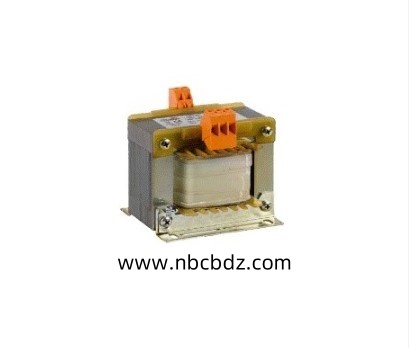
Modern electronic equipment increasingly depends on compact energy-transfer components that can work efficiently within sophisticated circuit systems, and businesses considering a High Frequency Transformer Factory should evaluate more than the transformer's basic electrical role. Material selection, purchasing priorities, functional engineering, manufacturing technology, user experience, maintenance, and physical design can all influence how naturally a transformer fits into the complete electronic product.
Material selection is a central part of transformer development because high frequency applications place different demands on magnetic and electrical components. A transformer may combine a magnetic core, conductive windings, insulating materials, protective layers, terminals, support structures, and housing elements. Manufacturers can consider magnetic characteristics, thermal behavior, insulation performance, mechanical stability, surface quality, and material compatibility when developing the overall construction.
Core materials deserve careful attention because the magnetic structure plays a major role in how the transformer interacts with an electronic circuit. Ferrite and other magnetic materials may be considered for different high frequency applications, while the core shape can influence how the windings and insulation are arranged. Engineers can evaluate the relationship between material selection, core construction, assembly, and circuit integration rather than viewing the magnetic core as a separate component.
Winding materials and insulation are equally important. Conductive windings need to be organized carefully within the available space while remaining properly separated from surrounding structures. Insulating layers, barriers, tapes, sleeves, or other protective elements may support electrical isolation and physical stability. Coordinating these materials during early development can help create a cleaner internal structure and a more manageable assembly process.
Purchasing decisions should begin with the intended electronic application. High frequency transformers may be incorporated into power supplies, converters, charging equipment, control systems, communication electronics, industrial devices, and other circuit-based products. Buyers can consider circuit integration, installation space, connection arrangements, thermal conditions, assembly workflow, service access, packaging, and future design changes when evaluating potential transformer solutions.
The surrounding circuit should also be considered during procurement. A transformer operates together with switches, capacitors, inductive elements, control boards, connectors, cooling structures, and other electronic components. A product that appears suitable in isolation may still create integration challenges if its physical arrangement does not suit the complete device. Early engineering discussion can therefore make purchasing decisions more practical.
Supplier evaluation can influence the success of a customized project. Businesses may examine manufacturing experience, magnetic-component knowledge, engineering communication, production organization, quality management, customization support, and customer responsiveness. A supplier capable of understanding both transformer construction and electronic integration can provide useful input during development. Ningbo Chuangbiao Electronic Technology Co., Ltd. applies practical manufacturing experience to transformer and electronic-component development for different customer requirements.
Functional engineering connects electrical behavior with physical construction. Designers can review core geometry, winding arrangement, insulation placement, terminal organization, protective structures, and mounting relationships as one system. The goal is to create a transformer that can be integrated into the intended circuit while remaining practical to assemble, inspect, and maintain.
Thermal considerations are also part of functional development. Electronic components operate within an environment where heat management can influence product organization. Engineers can therefore review winding placement, insulation structure, core arrangement, housing design, and surrounding ventilation conditions during development. Considering these relationships early can help manufacturers build products around the needs of the complete device.
Manufacturing technology provides an important bridge between engineering concepts and finished components. Digital modelling can help engineers examine core placement, winding paths, insulation relationships, terminal positions, mounting structures, and assembly sequences before physical production begins. Processes such as winding, core preparation, insulation work, soldering or connection, assembly, coating, sealing, and inspection can then be coordinated according to the product structure.
Manufacturing feedback can reveal opportunities for improvement. Production teams may identify ways to simplify winding, improve assembly access, organize connections, or make inspection more convenient. Quality personnel can provide observations about material consistency, insulation condition, surface treatment, and assembly organization. Customer feedback can add further insight into circuit integration, installation, handling, and service requirements.
User experience is relevant even when a transformer remains inside a finished device. Engineers, assemblers, maintenance technicians, and equipment designers may interact with the component during installation, wiring, inspection, replacement, and troubleshooting. Clear terminal organization, practical mounting structures, understandable component identification, and accessible external areas can make these tasks easier.
Maintenance should be considered during the initial product-development stage. Electronic equipment may operate in environments affected by dust, moisture, vibration, heat, or repeated servicing. Practical transformer construction can support easier inspection and cleaning while reducing unnecessary disruption to surrounding components. Service-friendly design can also help technicians identify connection or mounting issues more efficiently.
Handling and storage are important for manufacturers, distributors, and assembly teams. Transformer components may move through several stages before becoming part of a finished electronic product. Protective packaging, orderly component placement, clear identification, and sensible storage practices can help reduce unnecessary handling difficulties while keeping production areas organized.
Design and appearance also influence the physical integration of a transformer. Although internal electrical function remains central, housing form, terminal placement, visible surfaces, mounting features, and overall organization can influence how conveniently the transformer fits into an electronic assembly. A clean physical design can also help create a more organized appearance inside professional equipment.
Customization gives electronic manufacturers, equipment developers, distributors, and private-label businesses greater flexibility. Different applications may require alternative core structures, winding arrangements, insulation concepts, terminals, mounting methods, protective housings, or surface treatments. Flexible development allows manufacturers to adapt these elements while keeping engineering, production, and quality procedures connected.
Sustainability can also be considered during transformer development. Manufacturers may review material utilization, production waste, packaging practices, component durability, repairability, and product lifecycle when planning new solutions. These considerations can support more responsible resource management while remaining closely connected with practical electronic engineering.
Quality management connects material preparation, core processing, winding, insulation, assembly, inspection, packaging, and customer feedback. Consistent procedures can help manufacturers monitor production and identify opportunities for refinement. Feedback from circuit designers, assembly personnel, distributors, maintenance teams, and equipment users can provide valuable insight into installation, wiring, handling, inspection, servicing, and product integration.
Ningbo Chuangbiao Electronic Technology Co., Ltd. continues developing transformer and electronic-component solutions through practical manufacturing knowledge, coordinated engineering, flexible product development, and attention to different application environments. Its approach connects magnetic materials, winding organization, insulation, thermal considerations, manufacturing technology, installation, maintenance, customization, and physical design throughout product development. More information about its products and manufacturing capabilities is available at https://www.nbcbdz.com/product/.
 Sharminsultanabma
8 minutes, 52 seconds
Sharminsultanabma
8 minutes, 52 seconds